The Canva Trap: DIY Design Mistakes That Are Costing You Clients

When you’re wearing 47 hats, answering emails mid-lunch, and pretending your third coffee counts as hydration, time-saving shortcuts aren’t an option, they’re a means of survival.
For the busy business owner, using Canva seems like a no brainer. You just grab a template, make a few tweaks and hit the road. Right?
Wrong, my friend. Let’s break it down.
The Trap:
👇Here’s what really happens when you rely on Canva without a solid brand foundation:
Major Inconsistency: One template for your flyer, another for your Instagram post, and a third for your pricing guide. Suddenly, your brand looks like it has three different personalities, and none of them are vibing...
Unoriginality: Those “trendy” Canva templates? Hate to break it to you, but about 7,000 other businesses thought they were trendy too. What was meant to make you stand out just made you scroll-stoppable… for all the wrong reasons.
No Strategy: A cute template doesn’t equal a strong brand. Canva gives you a million creative tools, but without clarity on your story, audience, and goals, you’re basically throwing design spaghetti at the wall and hoping it sticks.
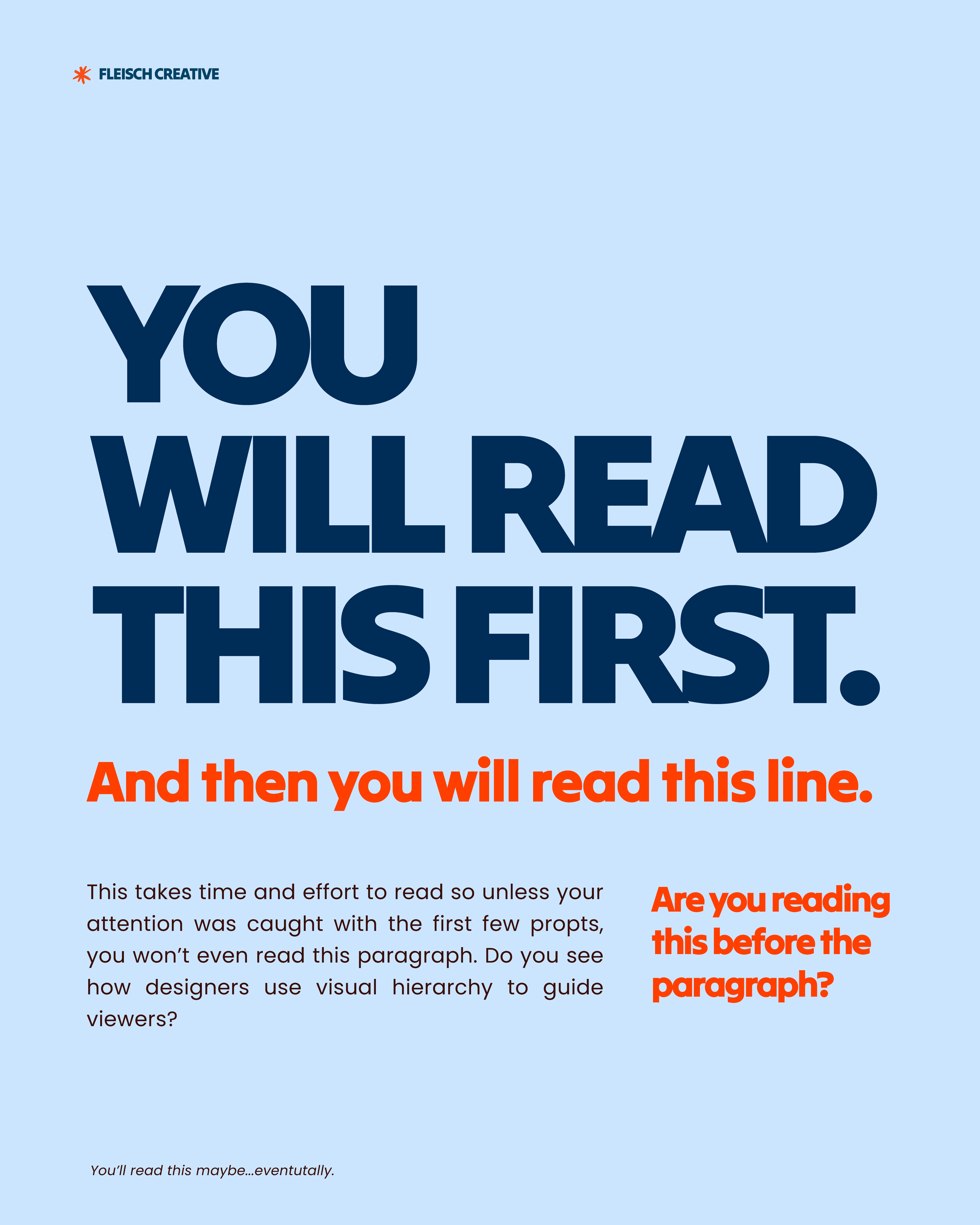
Not By the Book: Without knowing how things like spacing, contrast, color balance, and typography hierarchy actually work, it’s easy to make visuals that look fine to you, but miss the mark entirely. 🫣
“Without clarity on your story, audience, and goals, you’re basically throwing design spaghetti at the wall and hoping it sticks.”
The two images below are social media post templates from Canva. They both deliver the same message (wishing the audience a Merry Christmas), but the vibe between the two is a bit different.
The image with the cartoon tree and hot cocoa cup is perfect for a playful, unserious and vintage-inspired brand. (Like a quirky local coffee shop, diner, daycare, or fun and funky retail shop.)
The image with the photo of the wreath and elegant script font is perfect for a more professional, timeless, and elegant brand. (Like an esthetician office or spa, doctors office, fine dining restaurant, or wine bar.)


It’s the same message, just told in different voices. Do ya feel me now? Do ya pick up what I’m putting down?
How To Avoid the Trap:
Think of Canva like a well-stocked bar cart; it gives you everything you need to mix something up fast, but if you don’t know the recipe, all you’ll end up with is an off-balanced drink that nobody is ordering twice.
Get clear on who you are: You can’t design your way into an identity, you need strategy first. What do you stand for? Who are you speaking to? What do you want people to feel when they interact with your brand?
Form a solid base: Now, clear strategy in hand, you can create your brand’s identity (logo suite, color palette, font system, and brand voice guidelines).
Customize, don’t copy. Once you have a brand system, then Canva becomes powerful. Create your brand kit and then create 2–3 templates you can consistently reproduce and slightly adjust.

And of course, when in doubt,
phone a pro. ☎️
You should be spending your time connecting with your customers, and doing what you actually love, not wrestling with Canva templates.
Hit up my Template Shop or complete a Project Inquiry form to chat about designing custom templates for your brand.